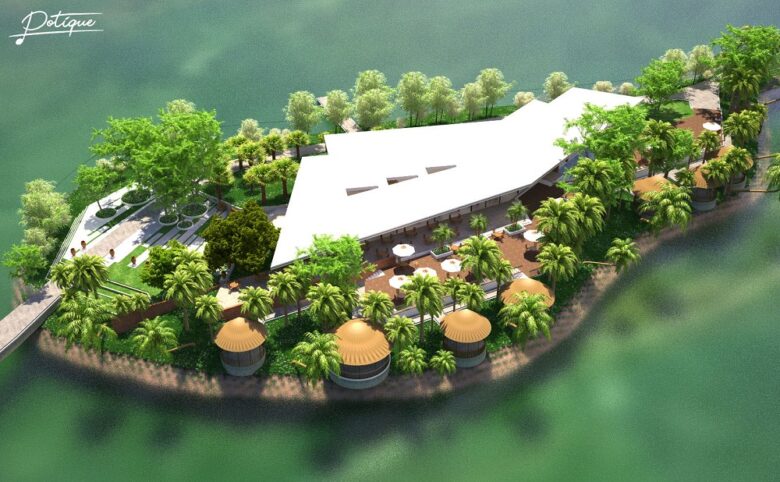
Institute of Oceanography Nha Trang: Discover Vietnam’s Fascinating Underwater World
Beyond Nha Trang’s sun-drenched beaches and crystal-clear waters lies one of Vietnam’s most remarkable scientific and cultural attractions—the Institute of Oceanography (or Museum of Oceanography). Overlooking the tranquil waters of Cau Da Port, this historic institution has spent more than a century exploring, documenting, and preserving the extraordinary biodiversity of the East Sea, making it one of Southeast Asia’s oldest and most respected marine research centres.
Unlike a conventional museum, the Institute of Oceanography offers visitors an immersive journey into the mysteries of the ocean. Thousands of preserved marine specimens, colourful coral collections, living sea creatures, and one of Vietnam’s largest whale skeletons reveal the incredible diversity hidden beneath the waves surrounding Nha Trang. Each gallery tells the story of scientific discovery, marine conservation, and the fragile ecosystems that support life along Vietnam’s coastline.
Whether you are travelling with family, fascinated by marine biology, or simply seeking an enriching experience beyond the beach, the institute provides a unique perspective on Nha Trang’s identity as one of Vietnam’s most important coastal cities. It is a destination where science, education, and natural beauty come together to inspire visitors of all ages.
This comprehensive guide explores everything you need to know before visiting the Institute of Oceanography Nha Trang (or Museum of Oceanography), including its history, must-see exhibits, visitor information, travel tips, and why it deserves a place on every Nha Trang itinerary.
The Institute of Oceanography Nha Trang (or Museum of Oceanography) is Vietnam’s leading marine research institution and one of the country’s most fascinating museums. Established in 1922, it houses more than 20,000 marine specimens, vibrant coral displays, live aquatic exhibits, and the impressive skeleton of a humpback whale measuring nearly 18 metres in length. Located just south of central Nha Trang, the institute offers visitors a deeper understanding of Vietnam’s marine biodiversity, ocean conservation, and over a century of scientific research.
Ideal for families, students, photographers, and curious travellers, the museum combines education with discovery, making it one of Nha Trang’s most rewarding cultural attractions.
Key Takeaways
- One of the oldest marine research institutions in Southeast Asia.
- Home to over 20,000 preserved marine specimens collected from Vietnamese and international waters.
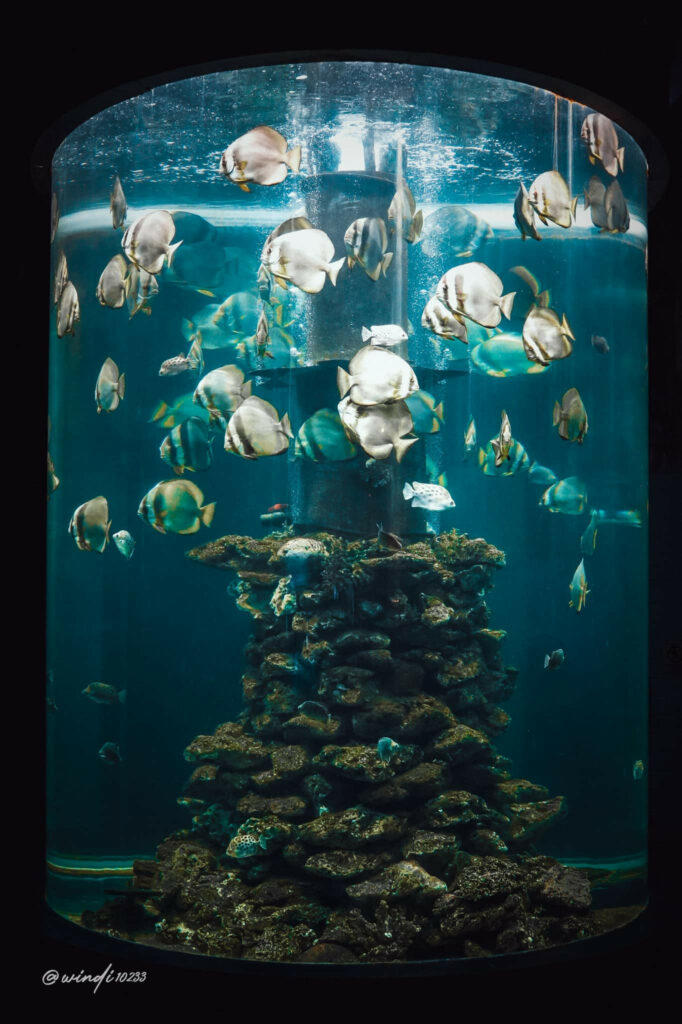
- Features live aquariums showcasing tropical marine species native to Nha Trang Bay.
- Displays one of Vietnam’s largest whale skeletons alongside rare coral and deep-sea collections.
- Offers educational insights into marine biodiversity, ocean conservation, and scientific research.
- Suitable for families, children, students, photographers, and nature enthusiasts.
- Located approximately 15 minutes by car from Potique Hotel.
At a Glance
| Category | Information |
|---|---|
| Official Name | Institute of Oceanography (or Museum of Oceanography) |
| Vietnamese Name | Viện Hải dương học |
| Location | Cau Da, Nha Trang Ward, Khanh Hoa Province |
| Established | 1922 |
| Primary Purpose | Marine scientific research, conservation and public education |
| Collections | More than 20,000 marine specimens |
| Famous For | Giant whale skeleton, coral collections, live aquariums, marine biodiversity |
| Recommended Visit Duration | 1.5–2.5 hours |
| Best For | Families, students, marine enthusiasts, photographers and curious travellers |
The History of the Institute of Oceanography
The story of the Institute of Oceanography (or Museum of Oceanography) began during the early twentieth century, when the rich marine ecosystems surrounding Nha Trang attracted the attention of scientists seeking to better understand the tropical waters of the Indo-Pacific region.
Founded in 1922 by the French Oceanographic Institute (Institut Océanographique de l’Indochine), the institute quickly became one of the first dedicated centres for marine science in Southeast Asia. Its location on the shores of Nha Trang Bay was carefully chosen for its exceptional biodiversity, favourable climate, and direct access to one of the world’s most productive coastal ecosystems.
From its earliest years, researchers conducted pioneering studies on coral reefs, fisheries, marine mammals, ocean currents, and countless species inhabiting Vietnam’s coastal waters. Scientific expeditions extended throughout the East Sea and neighbouring regions, resulting in one of the most comprehensive marine collections in Asia. Thousands of newly documented species were carefully preserved, catalogued, and studied, creating an invaluable scientific archive that continues to support marine research today.
Following Vietnam’s reunification, the institute became part of the Vietnam Academy of Science and Technology (VAST). While its role expanded to meet the country’s growing scientific needs, its founding mission remained unchanged: to advance marine science, protect ocean ecosystems, and deepen understanding of Vietnam’s remarkable marine biodiversity.
Today, the Institute of Oceanography stands as far more than a research facility. It is both a nationally significant scientific institution and one of Nha Trang’s most engaging educational attractions, welcoming hundreds of thousands of visitors each year. Its galleries bridge the gap between science and public discovery, offering rare opportunities to explore everything from microscopic marine organisms to giant whales, colourful coral reefs, and deep-sea creatures seldom seen outside research laboratories.
For travellers, a visit offers a deeper appreciation of the ocean that has shaped Nha Trang’s identity for centuries. Beyond its beautiful beaches lies a vast underwater world, and the Institute of Oceanography serves as the gateway to understanding its extraordinary complexity, beauty, and importance.
Marine Research & Scientific Importance
For more than a century, the Institute of Oceanography has played a vital role in advancing marine science in Vietnam and across Southeast Asia. While many visitors are drawn by its museum exhibits, the institute remains an active research centre dedicated to understanding and protecting the country’s marine ecosystems.
Its scientists conduct extensive research on coral reefs, fisheries, marine biodiversity, oceanography, coastal ecology, and the impacts of climate change on Vietnam’s seas. Findings from these studies contribute to national conservation policies, sustainable fisheries management, marine protected areas, and international scientific collaborations.
The institute’s strategic location on Nha Trang Bay provides direct access to one of the world’s most biologically diverse coastal environments. Researchers regularly undertake field expeditions to monitor coral health, study marine species, and document changes occurring within tropical ecosystems.
Today, the Institute of Oceanography continues to support universities, government agencies, conservation organisations, and researchers from around the world. Its work extends far beyond the museum walls, helping safeguard Vietnam’s marine heritage for future generations.
For visitors, exploring the museum offers a rare opportunity to connect with the science behind the spectacular marine life found along Vietnam’s coastline.
Museum Highlights
The museum is home to one of Vietnam’s largest collections of marine specimens, offering visitors an extraordinary opportunity to explore the diversity of life beneath the surface of the ocean.
Spread across several exhibition halls, the displays combine scientific research with engaging storytelling, making the institute equally rewarding for children, students, photographers, and travellers with a curiosity about the natural world.
Among the museum’s highlights are thousands of preserved marine species, vibrant coral collections, live aquariums, and remarkable skeletons of whales and other large marine animals that illustrate the immense scale and diversity of ocean life.
Each gallery reveals a different aspect of Vietnam’s marine environment, from colourful coral reefs and tropical fish to mysterious deep-sea creatures rarely encountered by the public.
Marine Biodiversity Collections
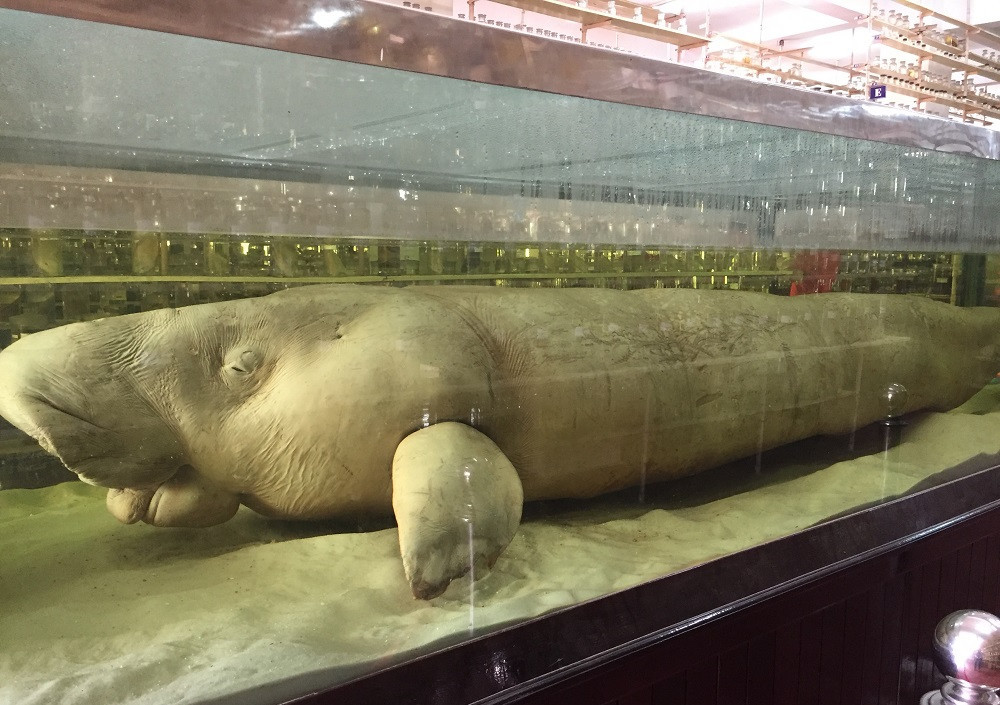
One of the Institute of Oceanography’s greatest treasures is its remarkable scientific collection of more than 20,000 preserved marine specimens, representing thousands of species gathered over decades of exploration.
Visitors can discover an impressive variety of marine life, including:
- Reef fish native to Nha Trang Bay.
- Sharks and rays.
- Sea turtles.
- Seahorses.
- Jellyfish.
- Starfish and sea urchins.
- Molluscs and giant shells.
- Crustaceans such as crabs and lobsters.
- Rare deep-sea species.
- Soft and hard corals.
Many of these specimens were collected during scientific expeditions throughout Vietnam’s coastal waters and the wider Indo-Pacific region. Carefully preserved and classified, they continue to support ongoing research while providing visitors with a fascinating glimpse into marine biodiversity that would otherwise remain hidden beneath the waves.
Detailed information panels accompany many exhibits, explaining each species’ habitat, behaviour, ecological role, and conservation status. This educational approach transforms the museum into more than simply a display of specimens—it becomes a window into the complexity and interconnectedness of marine ecosystems.
Live Aquarium Exhibits
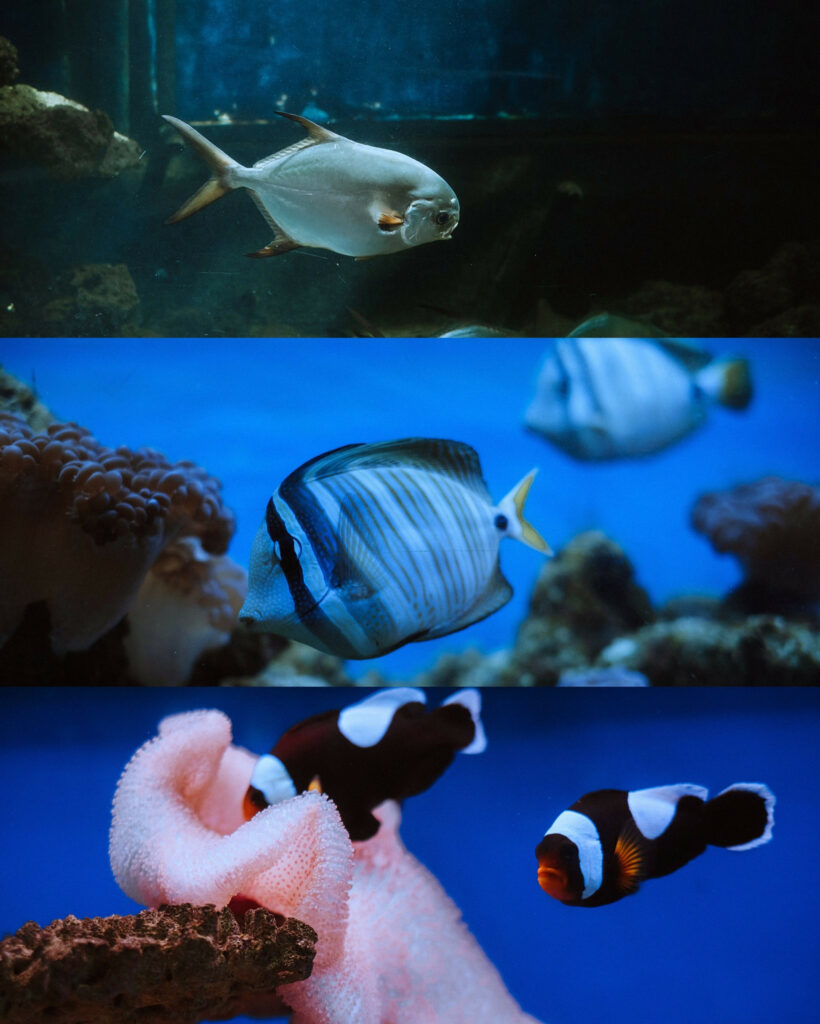
Complementing the preserved collections are a series of live aquariums showcasing colourful marine species native to the waters surrounding Nha Trang.
Visitors can observe:
- Clownfish.
- Lionfish.
- Moray eels.
- Groupers.
- Reef fish.
- Sea anemones.
- Living coral communities.
- Various tropical invertebrates.
These carefully maintained aquariums recreate the vibrant underwater habitats found within Nha Trang Bay, allowing visitors to appreciate the movement, colour, and behaviour of marine animals in a way that preserved specimens cannot fully capture.
For children and families, the live exhibits are often among the museum’s most memorable experiences, inspiring greater appreciation for Vietnam’s rich marine environment.
The Giant Whale Skeleton
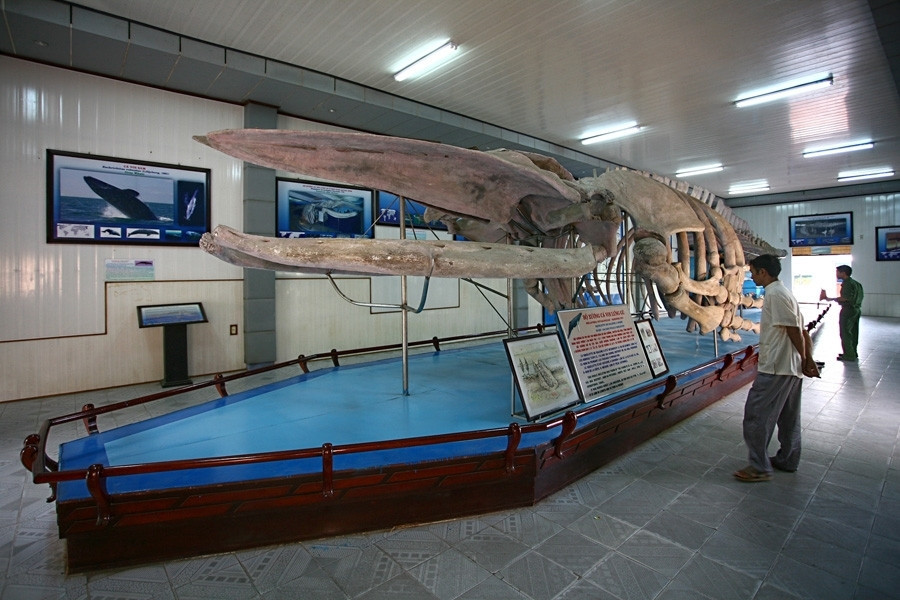
One of the museum’s most iconic exhibits is the enormous skeleton of a Bryde’s whale, measuring approximately 18 metres in length.
Suspended within the exhibition hall, the skeleton immediately captures visitors’ attention with its remarkable scale. Standing beneath its towering rib cage offers a striking reminder of the immense size of marine mammals that inhabit Vietnam’s coastal waters.
The carefully reconstructed skeleton also serves an important educational purpose. Informational displays explain whale anatomy, migration patterns, feeding behaviour, and the ecological importance of these gentle giants within the marine food chain.
For many visitors, the whale skeleton becomes the defining image of their visit and one of the museum’s most photographed attractions.
Coral Reef Gallery
Nha Trang Bay is internationally recognised for its coral reef ecosystems, and the Institute of Oceanography houses one of Vietnam’s most extensive coral collections.
The gallery showcases both hard corals and soft corals in an extraordinary range of shapes, colours, and structures. Visitors gain insight into how coral reefs develop over thousands of years and why they are often referred to as the “rainforests of the sea.”
Interpretive exhibits explain:
- Coral biology and reproduction.
- Reef ecosystems.
- Symbiotic relationships between corals and marine organisms.
- Threats posed by pollution and climate change.
- Conservation efforts protecting Vietnam’s coral reefs.
The gallery offers a deeper appreciation of the fragile ecosystems that make Nha Trang one of Vietnam’s premier diving and snorkelling destinations.
Educational & Conservation Role
Beyond its impressive collections, the Institute of Oceanography plays a significant role in promoting marine conservation and environmental awareness.
Through exhibitions, educational programmes, and scientific outreach, the institute encourages visitors to better understand the importance of healthy oceans and the responsibility we all share in protecting them.
Topics explored throughout the museum include:
- Marine biodiversity conservation.
- Sustainable fisheries.
- Coral reef protection.
- Plastic pollution.
- Ocean health.
- Climate change.
- Coastal ecosystem management.
School groups, university students, researchers, and families regularly visit the institute to participate in educational activities designed to inspire the next generation of marine scientists and environmental stewards.
In an era when oceans face increasing environmental pressures, the institute’s mission has become more relevant than ever. Its combination of scientific research and public education helps bridge the gap between knowledge and action, demonstrating how conservation begins with understanding.
Did You Know?The Institute of Oceanography is home to one of the largest marine specimen collections in Southeast Asia, with more than 20,000 preserved specimens representing thousands of marine species collected over more than a century of scientific exploration. Its researchers have contributed significantly to the understanding of Nha Trang Bay’s coral reefs and marine biodiversity, helping establish the bay as one of Vietnam’s most important marine ecosystems and a leading destination for diving, marine research, and conservation. |
Visiting the Institute of Oceanography
A visit to the Institute of Oceanography offers a fascinating opportunity to discover the incredible diversity of Vietnam’s marine ecosystems while gaining a deeper appreciation for the science that helps protect them.
Unlike many museums that focus solely on historical artefacts, the institute combines scientific research, education, and interactive exhibits to create an engaging experience for visitors of all ages. From colourful tropical fish and intricate coral collections to enormous whale skeletons and rare deep-sea specimens, each gallery reveals another chapter of the ocean’s remarkable story.
The museum is designed as a self-guided experience, allowing visitors to explore at their own pace. Families often spend time observing the live aquariums, while photography enthusiasts are drawn to the museum’s dramatic skeleton displays and preserved marine collections.
Most visitors spend between 1.5 and 2.5 hours exploring the exhibitions, although marine enthusiasts and families with children may wish to allow additional time.
Whether you’re visiting on a sunny afternoon or looking for one of the best indoor attractions during Nha Trang’s rainy season, the Institute of Oceanography provides an inspiring and memorable experience beyond the city’s famous beaches.
Visitor Information
Opening Hours
The Institute of Oceanography is generally open daily, including weekends.
- Morning: 6:00 AM – 11:30 AM
- Afternoon: 1:30 PM – 4:30 PM
Opening hours may vary during public holidays or special events. Visitors are encouraged to check the latest schedule before their visit.
Admission
The institute offers affordable admission, making it one of Nha Trang’s best-value cultural attractions.
Typical ticket prices are:
- Adults
- Children
- Students (with valid identification)
Fees may be updated periodically by the museum.
Accessibility
The museum is accessible to most visitors.
Wide exhibition halls and clearly marked pathways make it relatively easy to navigate, although some older sections of the building include stairs and uneven surfaces that may present challenges for wheelchair users.
Families with children and senior visitors generally find the museum comfortable to explore at a leisurely pace.
Facilities
Visitors can enjoy several convenient facilities, including:
- Public restrooms.
- Souvenir shop.
- Drinking water.
- Parking for cars and motorbikes.
- Information boards in Vietnamese and English.
- Outdoor seating areas overlooking the sea.
Nearby cafés and seafood restaurants around Cau Da Port also make convenient stops before or after your visit.
Best Time to Visit
The Institute of Oceanography is enjoyable throughout the year, thanks to its predominantly indoor exhibitions.
Morning
Morning visits typically offer the quietest atmosphere, making it easier to explore the galleries and photograph exhibits before larger tour groups arrive.
Rainy Season
Unlike many outdoor attractions, the museum remains an excellent destination during Nha Trang’s rainy months.
Its indoor galleries provide an enriching alternative when beach activities are affected by the weather.
Family Visits
Families travelling with children often find weekday mornings particularly enjoyable, as the museum is generally less crowded and offers a more relaxed pace for exploring the interactive exhibits.
Year-Round Destination
Because most exhibitions are housed indoors, the museum can be comfortably visited in any season, making it one of Nha Trang’s most dependable attractions regardless of weather conditions.
Photography Highlights
The Institute of Oceanography offers a wealth of unique photographic opportunities rarely found elsewhere in Vietnam.
Some of the museum’s most photogenic highlights include:
- The impressive 18-metre whale skeleton suspended above visitors.
- Colourful tropical fish in the live aquariums.
- Intricate coral displays.
- Rare deep-sea marine specimens.
- Historic colonial-era architecture.
- Panoramic sea views overlooking Cau Da Port.
- Outdoor gardens with views across Nha Trang Bay.
Photography is generally permitted throughout most exhibition areas. Visitors are encouraged to avoid flash photography near live aquariums to minimise disturbance to marine life.
How to Get to the Institute of Oceanography from Potique Hotel
Conveniently located in the heart of Nha Trang, Potique Hotel provides easy access to the Institute of Oceanography.
Situated approximately 4.5 kilometres south of the hotel, the museum can usually be reached in 10–15 minutes by car.
Guests may choose from several transportation options:
- Taxi.
- Grab and other ride-hailing services.
- Motorbike rental.
- Bicycle for experienced cyclists.
The journey follows the scenic Tran Phu coastal road, offering beautiful views of Nha Trang Bay along the way.
Nearby Attractions
The Institute of Oceanography is conveniently located near several of Nha Trang’s most popular attractions, making it easy to create a rewarding half-day itinerary.
National Oceanographic Museum Grounds
Take time to explore the institute’s peaceful gardens and seaside surroundings, where colonial-era buildings overlook the harbour and offer beautiful coastal views.
Bao Dai Villas
Located just a short distance away, the historic Bao Dai Villas were once the seaside retreat of Vietnam’s last emperor. Today, visitors can admire the historic architecture and panoramic views across Nha Trang Bay.
VinWonders Nha Trang Cable Car Terminal
The nearby cable car departure point provides convenient access to Hon Tre Island and VinWonders Nha Trang, one of Vietnam’s largest entertainment complexes.
Tran Phu Beach
After visiting the museum, visitors can relax along Tran Phu Beach, enjoying the promenade, cafés, and ocean views that have made Nha Trang one of Vietnam’s most beloved coastal destinations.
Suggested Half-Day Itinerary
Guests staying at Potique Hotel can easily combine the Institute of Oceanography with several nearby attractions for an enjoyable morning or afternoon of exploration.
| Time | Experience |
|---|---|
| 8:30 AM | Depart Potique Hotel |
| 8:45 AM | Explore the Institute of Oceanography |
| 11:00 AM | Visit Bao Dai Villas |
| 12:00 PM | Enjoy fresh seafood overlooking Nha Trang Bay |
| 1:30 PM | Return to Potique Hotel or continue to Tran Phu Beach |
This itinerary combines science, history, coastal scenery, and local cuisine, offering a different perspective on Nha Trang beyond its famous beaches.
Why the Institute of Oceanography Should Be on Every Nha Trang Itinerary
While Nha Trang is internationally renowned for its pristine beaches and island adventures, the Institute of Oceanography reveals another side of the destination—one shaped by science, discovery, and a profound connection with the sea.
For more than a century, the institute has helped scientists unlock the secrets of Vietnam’s marine ecosystems while inspiring generations of visitors to better understand and protect the ocean. Today, its remarkable collections continue to bridge the gap between scientific research and public education, making complex marine ecology accessible to travellers of all ages.
Unlike many museums, the Institute of Oceanography offers an experience that is both intellectually engaging and visually captivating. The enormous whale skeleton, vibrant coral displays, live aquariums, and thousands of preserved marine specimens provide unforgettable encounters with the extraordinary biodiversity that lies beneath the waters of Nha Trang Bay.
Its convenient location also makes the institute an excellent addition to almost any itinerary. Whether combined with Bao Dai Villas, Tran Phu Beach, or a journey to VinWonders Nha Trang, it offers visitors a rewarding balance of culture, science, and coastal beauty.
For families, photographers, students, and anyone with a curiosity about the natural world, the Institute of Oceanography provides one of Nha Trang’s most enriching experiences. More than simply a museum, it is a gateway to understanding the ocean that has shaped the city’s history, economy, and identity.
Frequently Asked Questions
What is the Institute of Oceanography (or Museum of Oceanography) in Nha Trang?
The Institute of Oceanography (or Museum of Oceanography) is Vietnam’s leading marine research institution and one of Southeast Asia’s oldest centres for oceanographic studies. It also houses one of the country’s most fascinating marine museums.
Is the Institute of Oceanography worth visiting?
Yes. It is widely regarded as one of Nha Trang’s best cultural attractions, offering a unique combination of marine science, education, history, and family-friendly exhibits.
How long should I spend at the museum?
Most visitors spend 1.5 to 2.5 hours exploring the exhibitions and aquariums.
What are the museum’s most famous exhibits?
Highlights include the giant whale skeleton, live aquariums, coral collections, tropical marine species, and more than 20,000 preserved marine specimens.
Is the museum suitable for children?
Absolutely. Interactive displays, colourful aquariums, and fascinating marine life make it one of the best family attractions in Nha Trang.
Can I take photographs inside the museum?
Yes. Photography is generally permitted, although visitors should avoid using flash near live marine exhibits.
Is the Institute of Oceanography indoors?
Yes. Most exhibitions are indoors, making it an excellent attraction during hot weather or rainy days.
Conclusion
The Institute of Oceanography (or Museum of Oceanography) offers a journey beneath the surface of Nha Trang’s sparkling coastline, revealing the extraordinary marine world that has shaped the region for generations. Through its remarkable collections, living aquariums, and pioneering scientific work, the institute invites visitors to look beyond the beach and discover the richness of Vietnam’s ocean heritage.
Whether you’re fascinated by marine life, travelling with family, or simply seeking a meaningful cultural experience, the museum offers an engaging blend of education, discovery, and inspiration. It is a destination that deepens every visitor’s appreciation of the sea—and of Nha Trang itself.
As one of the city’s most distinctive attractions, the Institute of Oceanography perfectly complements Nha Trang’s beaches, islands, temples, and historic landmarks, creating a well-rounded itinerary that celebrates both nature and culture.
Discover Nha Trang with Potique Hotel
Every memorable journey begins with an exceptional place to stay.
After exploring the wonders of Vietnam’s marine world at the Institute of Oceanography (or Museum of Oceanography), return to the refined comfort of Potique Hotel, a luxury boutique hotel in Nha Trang inspired by Vietnamese heritage and contemporary elegance.
Ideally located in the city centre, Potique Hotel offers convenient access to Nha Trang’s leading attractions, pristine beaches, and vibrant dining scene. Whether you’re planning a family holiday, a cultural escape, or a relaxing seaside retreat, our thoughtfully designed rooms and suites, rooftop infinity pool, restaurants, and personalised hospitality create an unforgettable stay.
If you’re looking for a Nha Trang hotel that combines authentic local character with five-star comfort, or a hotel near the beach in Nha Trang that’s perfectly positioned for discovering the city’s cultural and natural treasures, Potique Hotel is your ideal home away from home.
Ready to Experience the Best of Nha Trang?
Book your stay directly with Potique Hotel to enjoy exclusive offers, the best available rates, and effortless access to the city’s most iconic attractions.